
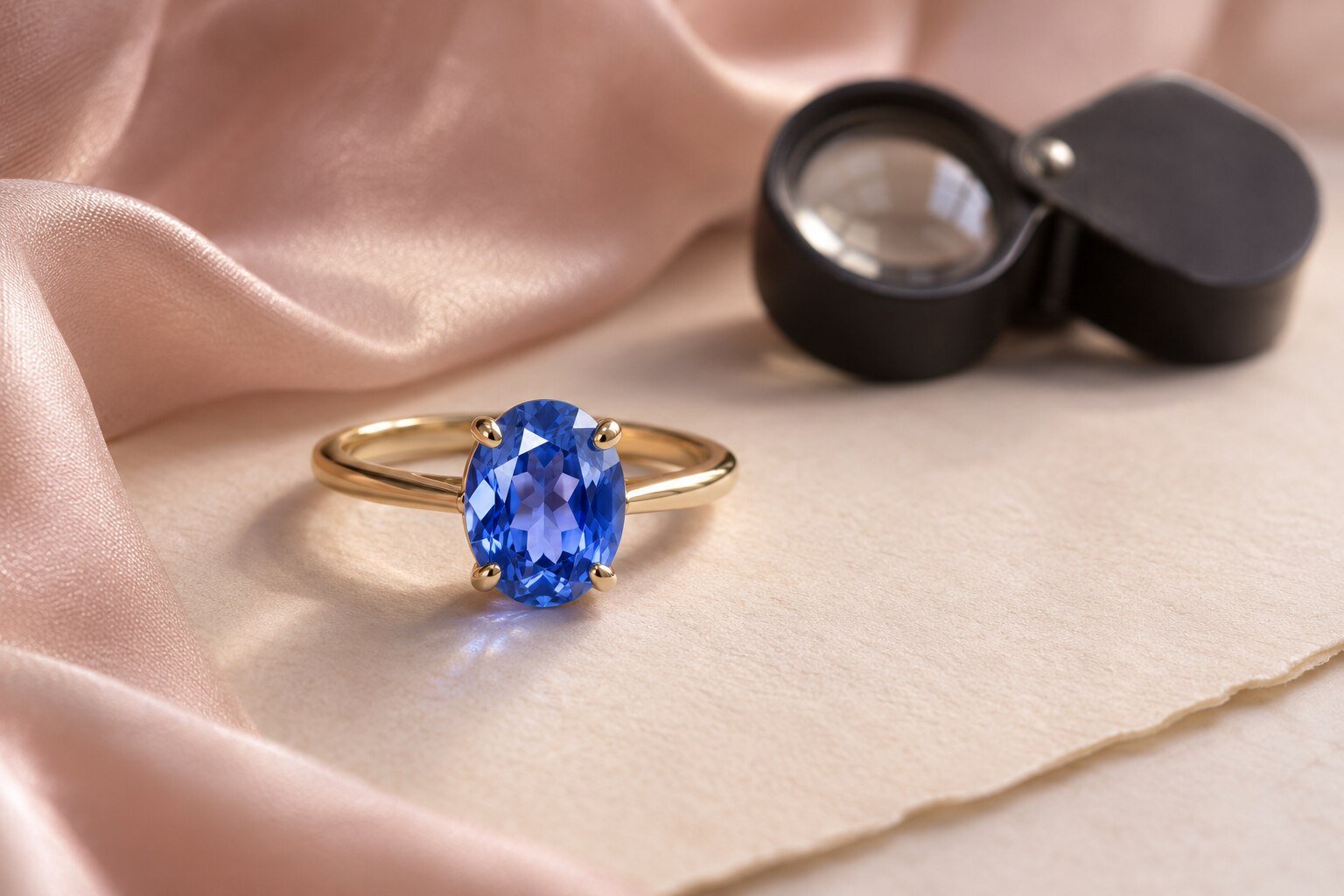
Many beautiful gemstones have been treated to improve their color, clarity, or durability. Treatment is not automatically a problem, but it can affect care needs, durability, price, and what you should expect from a seller. The smartest purchase is an informed one: learn what was done, confirm it is disclosed, and choose a stone that suits how you plan to wear it.
Start by separating natural, laboratory-created, imitation, and treated
These terms describe different things. Natural means the gem formed in nature. Laboratory-created means it has essentially the same chemical and physical characteristics as a natural counterpart but was made in a laboratory. An imitation only looks like another gem and is made from a different material. A treatment is an alteration applied to a natural or laboratory-created gem, such as heating, filling, dyeing, irradiation, or coating.
A stone can be natural and treated at the same time. For example, a natural sapphire may be heat treated. Ask the seller to state each description separately rather than relying on a vague phrase such as “real gemstone.”
Ask exactly what treatment was used
“Enhanced” is not enough information for a careful comparison. Ask for the specific process and whether it is considered permanent under normal wear. Common treatments include:
- Heat: often used with sapphire, ruby, aquamarine, tanzanite, and other gems to change color or clarity.
- Fracture filling: materials such as glass, resin, oil, or wax may be used to make surface-reaching fractures less visible.
- Dyeing or coating: color may be added at or near the surface and can be more vulnerable to chemicals, abrasion, heat, or prolonged light.
- Impregnation: wax, plastic, or another substance may enter a porous gem to improve appearance or stability.
- Irradiation: exposure to radiation can change color, sometimes followed by heating.
Treatments vary widely. Some are stable in normal use, while others call for extra caution. The treatment itself is only one part of the buying decision; the quality of the finished stone and the honesty of the disclosure matter too.
Match the gem to your lifestyle
Think about where the jewelry will be worn. A ring exposed to handwashing, knocks, cosmetics, and temperature changes needs a more durable stone and setting than an occasional pendant. If a gem is fracture-filled, heavily included, porous, coated, or dyed, ask whether ultrasonic cleaning, steam, household chemicals, heat, or sudden temperature changes could damage it.
For everyday wear, request written care instructions before you buy. If the seller cannot explain how to clean the piece safely, treat that as a reason to pause. In many cases, gentle cleaning with lukewarm water, mild soap, and a soft brush is safer than using an ultrasonic cleaner—but the correct method depends on the gem, treatment, and setting.
Use reports and paperwork wisely
For a higher-priced gemstone, consider an independent laboratory report or identification document. Read what the report actually covers: it may identify the species, state whether the stone is natural or laboratory-created, and note detectable treatments. It may not certify market value, future resale price, or the quality of the entire jewelry setting.
Check that the report number matches the stone or item being offered. Ask whether the document is from the same stone, whether the laboratory can verify the report, and whether the seller will provide a return period so you can have the jewelry examined independently. A report is useful evidence, not a substitute for comparing color, cut, condition, craftsmanship, and total price.
Compare prices on equal terms
Do not compare a treated stone with an untreated stone as if they were identical products. Compare the same gem variety, approximate size, color quality, cut, transparency, treatment, setting metal, and documentation. A lower price may reflect a common treatment, a weaker setting, a less desirable color, or simply a different quality level.
Also ask what happens if the treatment is not disclosed in the paperwork. Get the treatment description, care requirements, warranty terms, and return policy in writing. Avoid pressure to decide immediately, especially when the seller uses rarity or “investment” language without independent evidence.
Questions to ask before paying
- Is the stone natural, laboratory-created, or an imitation?
- What treatment or combination of treatments has it received?
- Is the treatment disclosed on the receipt or report?
- Could the treatment affect durability, cleaning, repair, or resizing?
- What care products and methods should I avoid?
- What does the warranty cover, and what is the return window?
- Can I verify the laboratory report or obtain an independent evaluation?
A simple final checklist
Before completing the purchase, confirm five things: the gem’s identity, the exact treatment, the care instructions, the paperwork, and the return terms. Then inspect the jewelry in neutral light and look at it from several angles. If the answers are clear and the piece fits your budget and lifestyle, treatment can be one informed part of a sensible purchase—not a hidden surprise.
Further reading
- Gemological Institute of America — An Introduction to Gem Treatments: Explains common treatments, their durability, detection, and special care considerations.
- Federal Trade Commission — Jewelry Guides: Provides consumer-focused guidance on truthful descriptions and treatment disclosures.
- American Gem Trade Association — About and Gemstone Information Manual: Offers industry education on colored gemstones, enhancements, and care.
Treatment disclosure gives you a better basis for comparing jewelry. Buy the stone you understand, care for it according to its specific needs, and keep the seller’s promises in writing.